 Barley Hair Transplant
Barley Hair Transplant
Barley Hair Transplant
Barley Hair Transplant
Barley Hair Transplant
Understanding What's Normal, What's Not, and When to Seek Help
Get Free ConsultationFinding strands of hair in your brush, on your pillow, or in the shower drain can be alarming. It's natural to wonder: does daily hair loss lead to balding?
The answer is both yes and no. Some hair loss is entirely normal — your hair goes through a natural growth cycle, and old hairs shed to make room for new ones.
At any given time, approximately 90% of your hair is in the growth phase, and 10% is in the resting phase. With about 100,000 hair follicles on the average scalp, this daily shedding is entirely natural.
Each hair follicle on your scalp goes through three distinct phases
The growth phase where hair actively grows. At any time, about 90% of your hair is in this phase, continuously lengthening and thickening.
The transition phase where hair stops growing and the follicle shrinks. This brief phase prepares the follicle for the resting period.
The resting phase where the old hair rests while a new hair begins to grow beneath it. At the end of this phase, the old hair sheds naturally.
Learn to distinguish between natural shedding and signs that warrant attention
Common triggers of telogen effluvium — a temporary condition causing increased shedding
Both physical and emotional stress can push hair follicles into the resting phase prematurely. Major life events, work stress, or anxiety can trigger excessive shedding, usually 2-3 months after the stressful event.
Pregnancy, childbirth, menopause, and thyroid disorders can all cause temporary hair loss. Postpartum hair loss is very common and usually resolves on its own within 6-12 months.
Deficiencies in iron, zinc, vitamin D, B vitamins, and protein can all contribute to hair loss. Crash diets and rapid weight loss are common culprits of excessive shedding.
High fevers, infections, surgery, and medical treatments like chemotherapy can all cause temporary hair loss. Hair typically starts regrowing after recovery.
Certain medications can cause hair loss as a side effect, including some antidepressants, blood pressure medications, and blood thinners. Consult your doctor if you suspect this.
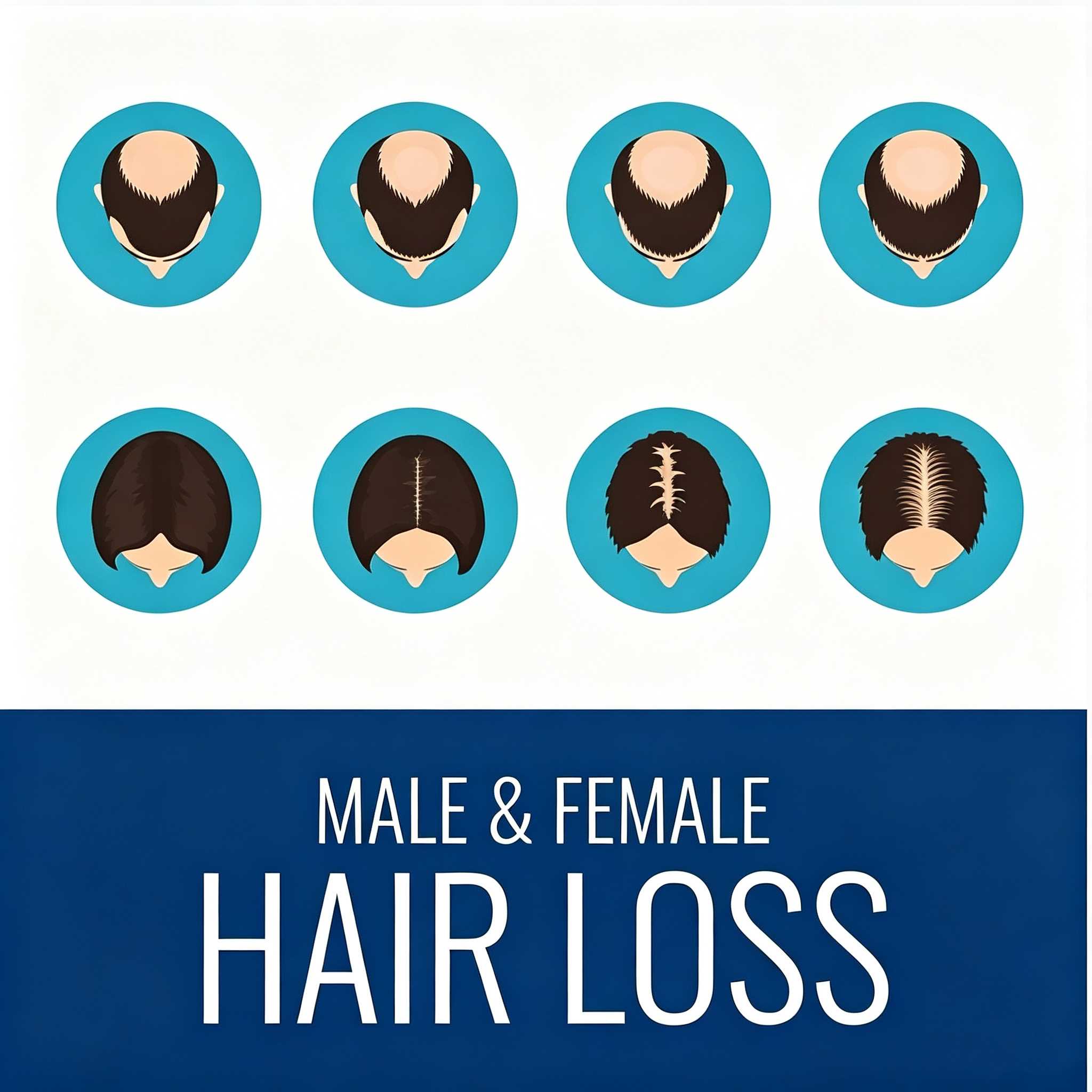
If you have a genetic predisposition to pattern baldness (androgenetic alopecia), progressive hair loss can lead to balding over time. This requires professional treatment.
Understanding the key differences helps you determine when to seek help
| Aspect | Normal Shedding | Pattern Baldness |
|---|---|---|
| Daily Hair Loss | 50-100 hairs per day | May start with increased shedding |
| Regrowth | Hair grows back | Hair follicles miniaturize over time |
| Hair Density | No change in density | Gradual thinning and density loss |
| Duration | Temporary if triggered | Progressive without treatment |
| Pattern | Uniform shedding | Pattern-specific (temples, crown) |
Take proactive steps to understand and address your hair loss concerns
Pay attention to how much hair you're losing and whether you're seeing any pattern changes. Take monthly photos of your hairline and part to track changes over time.
Ensure you're getting proper nutrition, managing stress, and taking care of your hair. Avoid excessive heat styling, tight hairstyles, and harsh chemicals.
If you're concerned, don't wait. The earlier you seek professional help, the more treatment options you'll have. A hair restoration specialist can determine the cause and recommend solutions.
Get a free professional evaluation and find out if you need treatment
Get Free ConsultationEveryone's hair loss journey and solution are unique due to a variety of factors. Our hair restoration experts will assist you in determining the root cause and the best solution for your hair restoration plan. If you have any questions, please ask; we are happy to assist.
+86 18618396621


hanying@damaizf.com
Understanding normal shedding vs concerning hair loss
Losing 50-100 hairs per day is entirely normal. This is part of the natural hair growth cycle. However, if you're consistently losing more than 100-150 hairs daily, or notice visible thinning, bald patches, or receding hairline, it may indicate a problem requiring professional evaluation.
Be concerned if you notice: sudden increase in shedding, hair coming out in clumps, visible scalp showing through, receding hairline, or bald spots. Also watch for shedding lasting more than 3-6 months. Barley's specialists can diagnose the cause and recommend appropriate treatment.
Not necessarily. Normal daily shedding (50-100 hairs) won't lead to baldness - these hairs regrow. However, if you have genetic predisposition to baldness (androgenetic alopecia), the hair follicles gradually shrink and produce thinner, shorter hairs until they stop growing entirely. Early intervention is crucial.
Yes, severe stress can trigger telogen effluvium - a condition where more hairs than normal enter the resting phase and shed. This typically occurs 2-3 months after the stressful event. The good news: stress-related hair loss is usually temporary and reversible once the stressor is removed, unlike genetic baldness.